Introduction
In a world filled with constant information and fast-paced routines, do we still have space to slow down—to read a book, listen to a sincere sharing, and truly see ourselves within?
This is why we launched our psychology-themed book club: to create a space that is both gentle and grounded.
A space where psychological knowledge becomes part of everyday life, and where Chinese communities come together—people from diverse backgrounds seeing one another, connecting, and co-creating a more inclusive and supportive community.
July Recap
Your Sensitivity Is Your Superpower: Understanding Ourselves and Embracing Differences
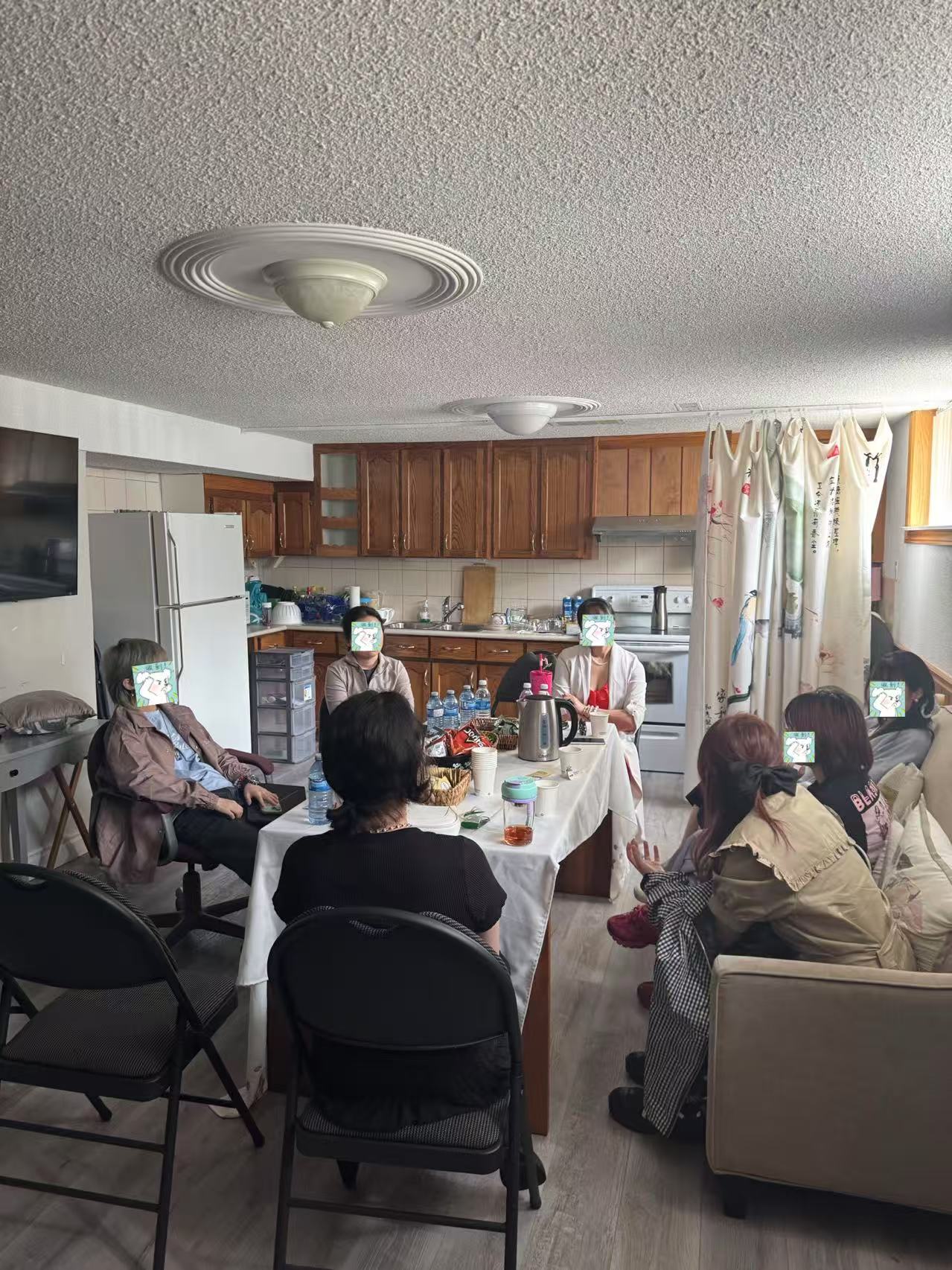
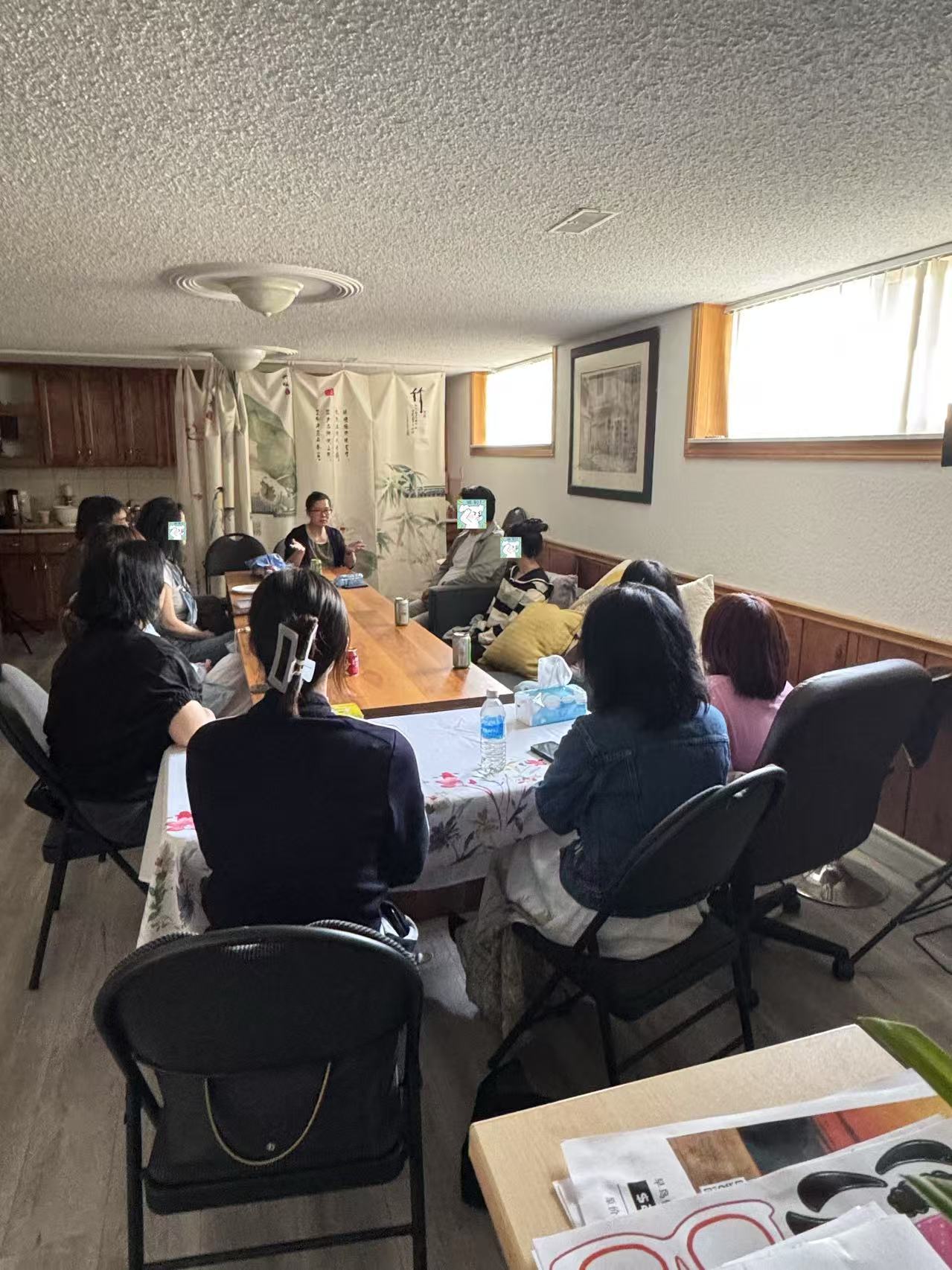
Over the two weeks of reading and discussion, we explored the concept of high sensitivity. At the beginning, many participants described themselves as “too emotional” or “easily affected by others.” With guidance from our guest facilitators, we gradually came to understand that sensitivity is not a weakness, but a profound way of perceiving and engaging with the world.
Participants shared personal experiences of being misunderstood and reflected on how to protect healthy boundaries in academic, social, and relational contexts. Through increased attention to bodily awareness, many also gained deeper insight into their own attitudes toward high sensitivity and how it shows up in daily life.
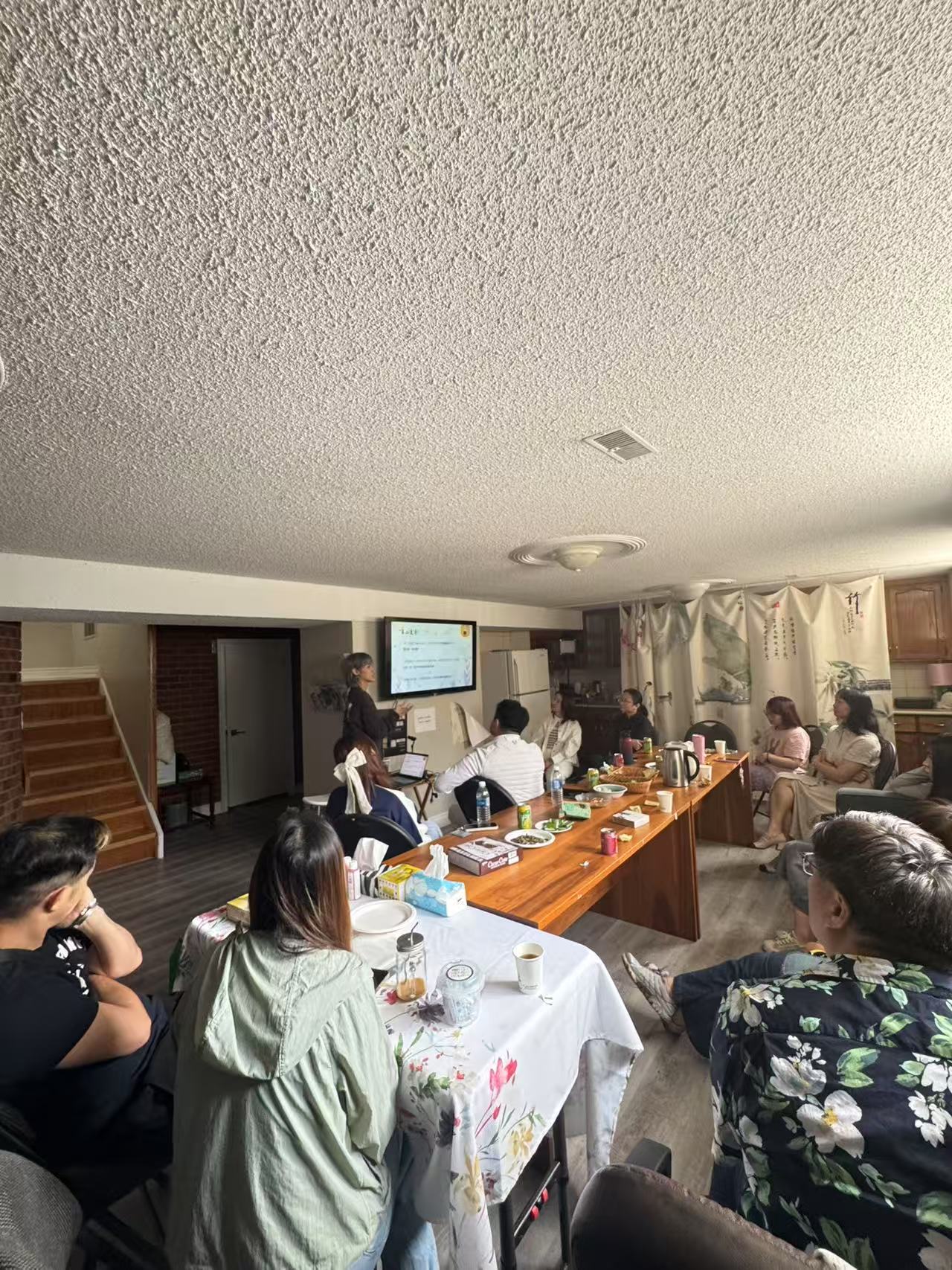
We invited counsellors and social workers to lead awareness-based exercises inspired by the book—from understanding emotions as the “second arrow” that strikes us, to learning grounding and crisis-regulation techniques through reconnecting with the body. These discussions introduced self-care strategies from a psychological perspective, helping participants develop greater compassion toward themselves and their sensitivity.
The Psychoanalysis of Self-Injurious Narcissism: Examining Forms of Narcissism
Using self-injurious narcissism as a starting point, we explored why some individuals seek a sense of existence through self-attack, self-deprivation, or even addictive behaviors—and how these patterns are closely linked to childhood experiences, attachment relationships, and unacknowledged emotional needs.
Drawing on psychoanalytic perspectives and the discussions presented in the book, we examined the connection between self-denial and emotional loneliness, and reflected on how cycles of maintaining connection through pain can develop. Through awareness and self-empathy, participants shared insights on how to gradually step out of these patterns and move toward healthier ways of relating to themselves and others.