On November 17, 2022, IPAC hosted an Intimate Relationships–Themed Roundtable for international students, with naming support from LingYu International Psychology Center. The event took place at the University of Toronto.
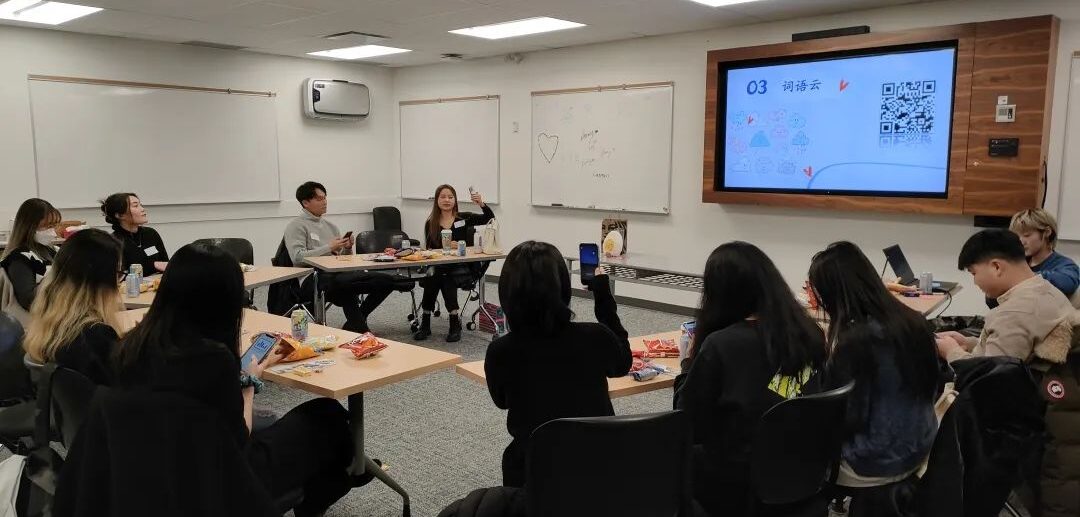
IPAC’s goal was not only to help international students connect with one another, but also to support them in building effective social networks and engaging in self-exploration through professionally facilitated interactive activities. The session incorporated lighthearted icebreaker games, word cloud discussions, and “this-or-that” debates, allowing participants to deepen mutual understanding through laughter while reflecting on their own perspectives on love, relationships, and intimacy.
IPAC recognizes that building social connections and adapting to a new cultural environment are essential components of international students’ wellbeing. Through carefully designed programs like this, IPAC provides a safe and supportive space for students to explore emotional and social topics, enhance self-awareness, and feel supported during their transition. Through these initiatives, IPAC aims to promote mental wellbeing, reduce feelings of isolation, and support international students in integrating into their new environment while developing meaningful and lasting social connections.
IPAC’s core values centre on supporting international students through mental health education and psychosocial support, helping them balance academics, daily life, and emotional wellbeing as they grow and adapt within a new cultural context. Beyond individual development, IPAC aims to foster a strong and supportive social network that enables international students to feel connected and integrated while living abroad.
This love- and relationships–themed social roundtable was fully facilitated by a professional counsellor and designed with carefully structured interactive components to support participants in exploring both self-awareness and personal views on relationships.
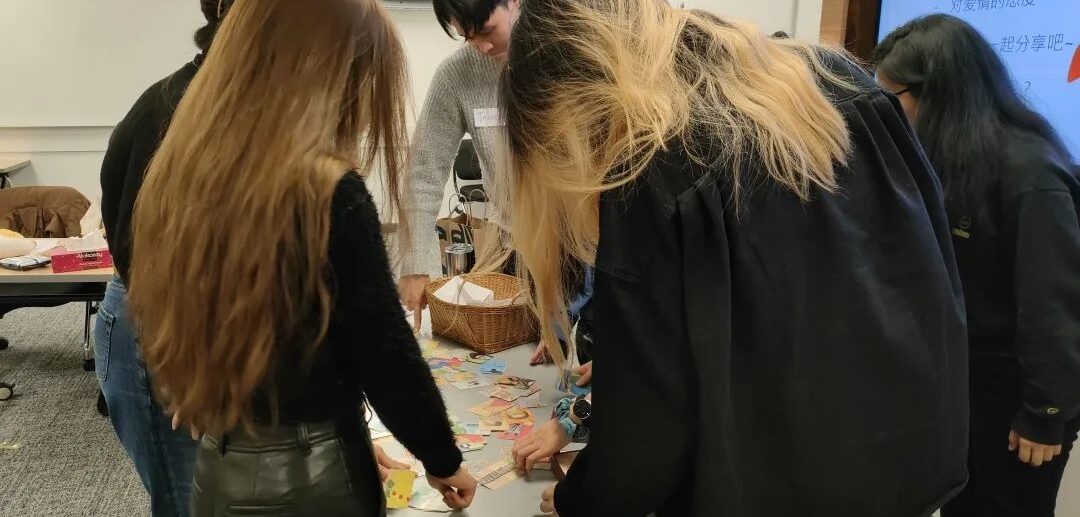
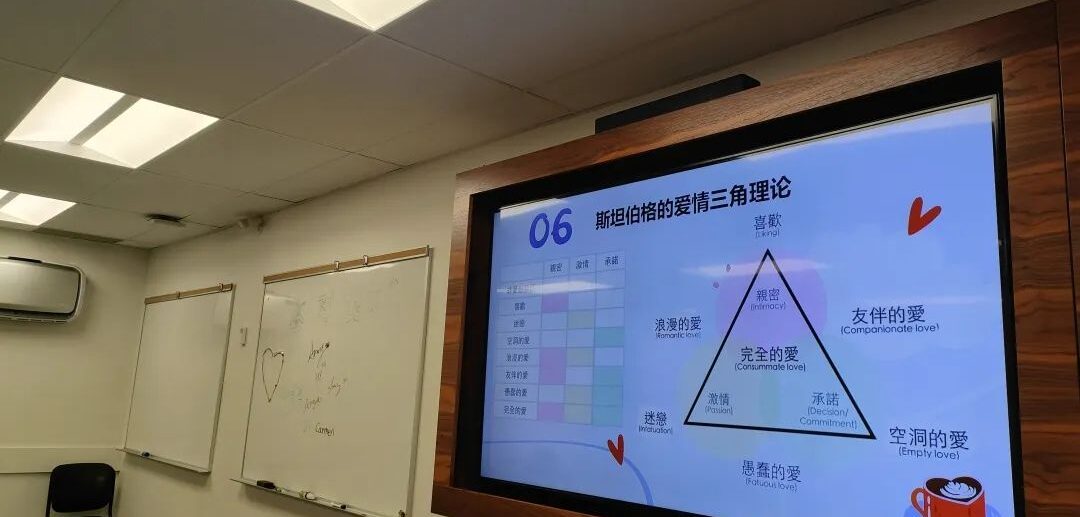
The roundtable included multiple segments to help participants become familiar with one another. Icebreaker activities and light “this-or-that” debates, guided by the counsellor, encouraged deeper discussions around love and intimacy. Participants approached the topic from diverse perspectives—including personal values, social expectations, emotional connection, and long-term partnership. Psychological concepts such as the Triangular Theory of Love were thoughtfully introduced to enrich the discussion and deepen reflection.
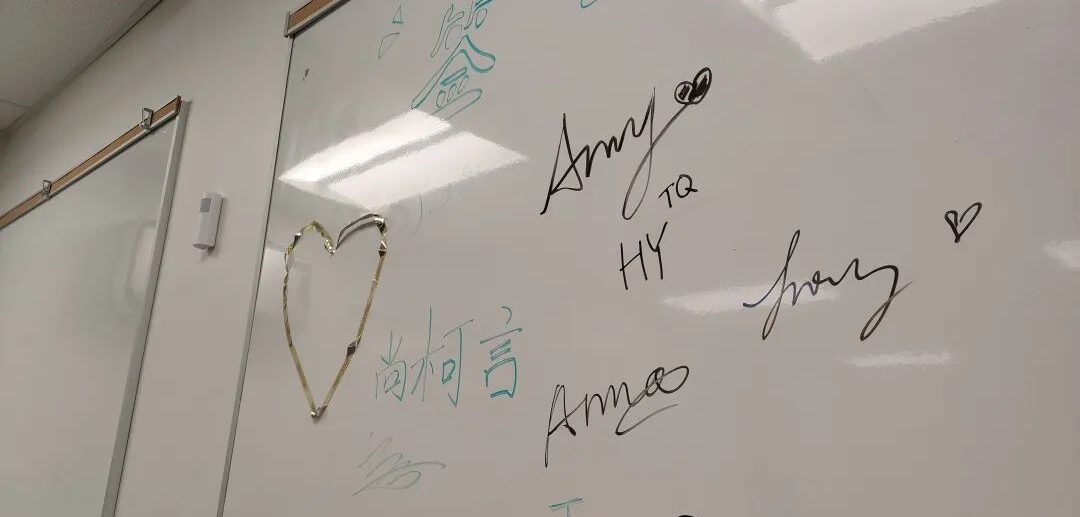
Rather than persuading one another, participants shared perspectives openly in an atmosphere of respect, gaining a more nuanced understanding of the complexity of intimate relationships. The “Love in Your Hands” creative activity invited participants to express their views on love through artistic exploration, while the concluding card-based roundtable, facilitated by the counsellor, further deepened collective reflection.
Under continuous professional guidance, participants engaged in a series of thoughtfully designed activities that not only strengthened mutual understanding but also encouraged meaningful reflection on the relationship between self and love. The event offered a safe, open, and supportive space where participants could express themselves freely, gain new insights, broaden perspectives, and support emotional growth and deeper self-awareness.